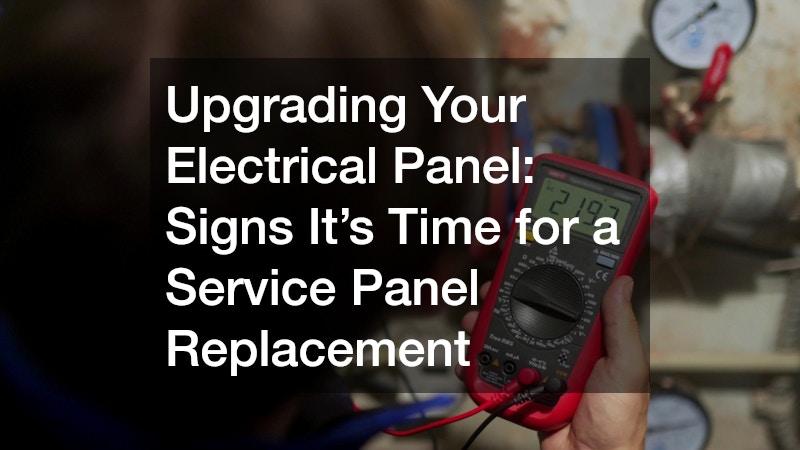
Your electrical panel is the central nervous system of your home’s energy infrastructure. It receives incoming power from the utility grid and distributes it through individual branch circuits to your lights, outlets, appliances, and HVAC equipment. While an electrical panel is built to last for decades, it does not have an infinite lifespan. As technology advances and households consume significantly more power than they did a few decades ago, older service panels can quickly become overworked, inefficient, and hazardous. Recognizing when your panel needs an upgrade is crucial for keeping your home safe and fully operational.
Understanding Your Home’s Power Capacity
Older homes were often built with 60-amp or 100-amp service panels, which provided plenty of capacity for basic lighting, a refrigerator, a television, and a few minor kitchen tools. Today, the average modern household requires at least 200-amp service to safely power a wide range of power-hungry devices, including central air conditioners, high-efficiency heat pumps, electric vehicle chargers, induction cooktops, and smart home hubs.
When your demand for power exceeds the capacity of your panel, the system becomes overloaded. Continuing to draw heavy current through an underpowered panel strains the internal components, causes wiring to overheat, and degrades protective breakers. Upgrading to a modern 200-amp or 400-amp system ensures your home receives a steady, reliable electrical service capable of supporting all your contemporary power needs without risking unexpected shutdowns or hardware damage.
Warning Signs Your Panel Needs Replacement
Circuit breakers are safety devices designed to interrupt the flow of electricity when a circuit carries more current than it can safely handle. While an occasional tripped breaker after plugging in a high-wattage space heater is normal, frequent or recurring trips indicate a deeper issue. If resetting a breaker has become part of your daily routine, your panel is signaling that its total capacity is pushed to the limit.
Several visible, physical warning signs indicate your service panel is failing:
- Flickering or Dimming Lights: If your overhead lights dim or flicker whenever the refrigerator kicks on, or someone turns on a hair dryer, your circuits are struggling to distribute power evenly.
- Warm Cover Plates or Burning Odors: An electrical panel should never feel hot to the touch or produce an odor. If you smell burning plastic or a faint metallic scent near the breaker box, shut off power at the main disconnect if safe to do so, as this points to active thermal degradation or loose connections.
- Rust and Corrosion: Moisture intrusion inside a breaker box leads to rust on the bus bars and breaker contacts. Rust increases electrical resistance, which generates excess heat and leads to component failure.
- Crackling or Buzzing Noises: A healthy breaker box operates silently. Hissing, crackling, or buzzing sounds usually stem from arcing—electricity jumping across damaged contacts or loose terminal screws.
Outdated Hardware and Known Safety Risks
In addition to wear and tear, certain older electrical panels pose inherent safety risks due to manufacturing defects or outdated designs. If your home was built between the 1950s and 1980s, it may still contain panels manufactured by companies like Federal Pacific Electric (FPE) or Zinsco.
Federal Pacific “Stab-Lok” panels and certain Zinsco models have a documented history of failing to trip during overloads or short circuits. When a breaker refuses to trip, heavy current continues to flow through the wires, creating intense heat that can ignite surrounding wood, drywall, or insulation. Many insurance companies now require homeowners to replace these specific legacy boxes before issuing or renewing coverage.
Similarly, if your home still relies on an old fuse box using screw-in glass fuses rather than modern toggle breakers, an upgrade is long overdue. Fuse boxes are not inherently unsafe, but they were designed for an era before modern electronics. Replacing blown fuses with incorrect amperage ratings creates severe fire risks, and most fuse boxes cannot supply the modern electrical service required by today’s code standards.
Preparing for Modern Energy Upgrades
Even if your current panel isn’t actively failing, upgrading is often necessary when planning major home renovations or energy improvements. Installing an EV fast charger, adding a hot tub, finishing a basement, or converting from gas appliances to all-electric heat pump systems requires substantial power reserves.
Upgrading your service panel proactively ensures you won’t encounter delays when adding these high-demand fixtures. Modern panels also offer smart features, such as app-based circuit monitoring, individual circuit energy tracking, and seamless integration with battery storage and solar power systems.
Ensuring Safety and Value
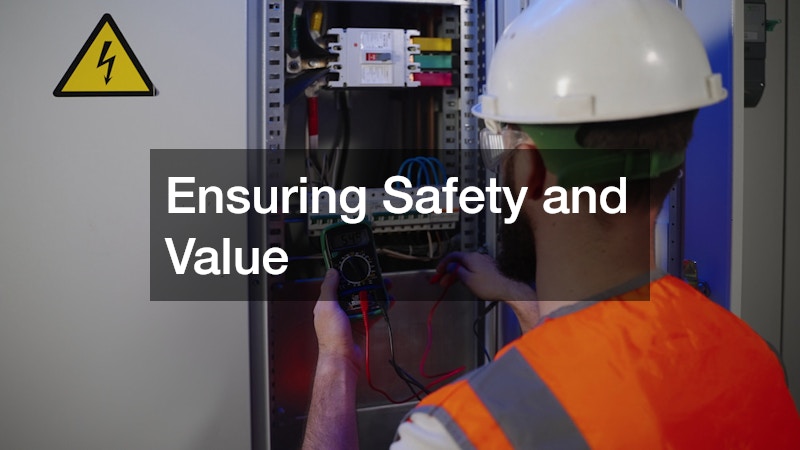
An electrical panel replacement is never a DIY project. It involves unmetered utility power, severe shock hazards, and strict adherence to local building codes and the National Electrical Code (NEC). A licensed electrician will coordinate with your local utility company to briefly disconnect the power feed, replace the panel box and breakers, ensure proper grounding and bonding, and verify that your system delivers safe, reliable electrical service to every room in your home.
Investing in a panel upgrade gives you complete peace of mind, protects your valuable electronics from voltage instability, and ensures your home’s power grid is ready for whatever technology comes next.