
When homeowners think about increasing the value of their property, their minds often drift immediately to glossy magazine covers featuring six-figure kitchen overhauls, knocked-down walls, and high-end marble countertops. While major cosmetic transformations certainly capture attention, they also carry immense financial risk, often failing to recoup their initial costs at resale.
The truest, most reliable equity in real estate is built from the bones of the house upward. True value lies in a home that promises structural integrity, mechanical efficiency, and absolute peace of mind to a potential buyer.
For the modern buyer, a home that requires a long list of immediate deferred maintenance is a financial trap. When a buyer walks through an open house and spots a water stain on the ceiling, a flickering light fixture, or an aging climate control system, they do not just see minor fixes. They see thousands of dollars draining from their bank account, and they will adjust their offers downward accordingly—or walk away entirely.
By shifting your focus from purely cosmetic remodeling to strategic, high-impact repairs, you can systematically erase buyer objections before they even form. This comprehensive guide will walk you through the essential systems, structural zones, and property upgrades that yield the highest return on investment, helping you unlock your home’s maximum financial potential.
Securing Your Home’s Core Infrastructure

The exterior envelope of your property serves as the first line of defense against environmental degradation. No matter how beautiful an interior space may be, its value is entirely dependent on the strength and security of the structures keeping the elements out. When assessing equity, the physical state of your roof and underlying structural elements takes absolute priority.
Conducting Proactive Inspections
Many homeowners overlook the attic and roofline until a visible leak manifests through the living room ceiling. By then, the damage has already spread to insulation, framing, and drywall. To prevent this, a biannual trip to the highest points of your property is crucial.
-
Inspect the attic space with a high-powered flashlight during a heavy downpour to check for active water intrusion or dark, damp wood rot along the rafters.
-
Look closely at the exterior shingles from the ground using binoculars, searching for signs of curling, buckling, missing granules, or damaged flashing around chimneys and vents.
-
Clear out gutters and downspouts completely to ensure water moves rapidly away from the fascia boards and foundation walls, rather than pooling and rotting the roof’s edge.
The Financial Return of Structural Integrity
When you choose to invest in professional roof repair services, you are not simply paying for materials and labor; you are buying an insurance policy on your home’s ultimate sale price. Buyers are inherently risk-averse. A roof that is certified to be in excellent condition removes the single largest financial variable from a buyer’s equation.
Furthermore, keeping your home’s exterior envelope perfectly sealed can have a massive impact on your ongoing operational costs. Documenting these structural updates can also provide excellent leverage when communicating with your home owners insurance agent, as a newly repaired or certified roof frequently translates to lower monthly premiums and reduced liability risks for the underwriter.
Optimizing Your Climate Control and Energy Efficiency
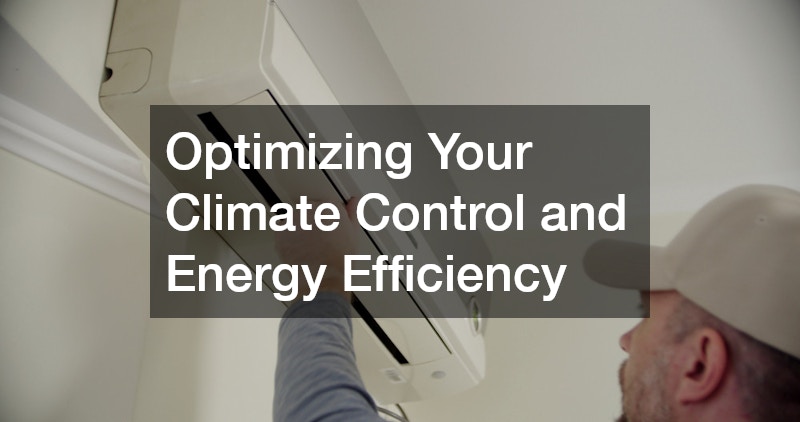
A home’s mechanical heartbeat is its heating, ventilation, and air conditioning system. In the modern real estate market, energy efficiency and climate reliability are no longer considered luxury upgrades; they are foundational expectations. A system that struggles to maintain a comfortable temperature or drives utility bills through the roof will actively suppress a property’s market value.
Executing Routine System Maintenance
Maximizing the value of your climate control systems requires a combination of consistent homeowner care and professional oversight. Neglecting basic maintenance forces the equipment to work twice as hard to achieve the same output, dramatically shortening its operational lifespan.
-
Change air filters every thirty to ninety days, depending on pet ownership and local air quality, to maintain unrestricted airflow throughout the ductwork.
-
Keep the outdoor condenser unit entirely free of debris, clearing away fallen leaves, tall grass, twigs, and encroaching landscaping to allow proper heat dispersion.
-
Straighten bent condenser fins using a specialized fin comb to optimize the airflow across the cooling coils.
Professional Interventions for Long-Term Value
While basic cleaning can easily be handled on a weekend, complex mechanical issues require specialized diagnostic tools. Scheduling an annual ac repair and system tuning ensures that electrical connections are tight, refrigerant charges are exact, and the system’s compressor operates at maximum efficiency.
When a home inspection report reveals a perfectly maintained HVAC system with documented service records, it signals to buyers that the property has been cared for with meticulous attention to detail. This reassurance directly translates into stronger offers and fewer demands for post-inspection financial concessions.
Resolving Hidden Mechanical and Power Hazards
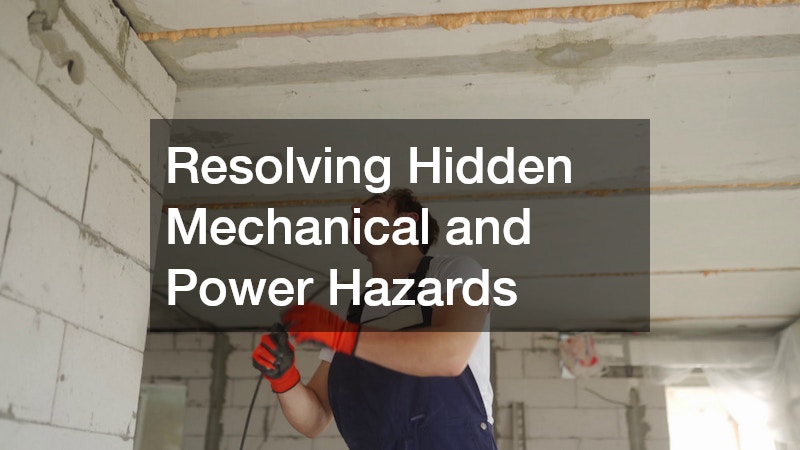
The hidden networks of wires and pipes running behind your drywall are easy to ignore until something goes wrong. However, these systems represent the core functionality of daily life. Faulty electrical infrastructure or slow, compromised plumbing can quickly turn a dream home into a severe safety hazard, destroying property value in the process.
Upgrading Electrical Safety and Capacity
Modern households utilize more electronic devices, smart appliances, and high-draw equipment than ever before. An electrical system designed decades ago simply cannot keep up with these current demands, creating both functional bottlenecks and fire hazards.
-
Replace all outdated, ungrounded two-prong outlets with modern, grounded three-prong options or smart outlets featuring integrated USB charging ports.
-
Test and swap out older outlets in high-moisture zones like kitchens, bathrooms, and garages with modern ground fault circuit interrupters to meet modern safety codes.
-
Examine the main electrical panel for signs of corrosion, scorch marks, or loose wiring, and ensure all breakers are clearly and accurately labeled.
If your home still relies on an aging fuse box or a recalled electrical panel, hiring a licensed electrician to upgrade the home to a standard 200-amp service is one of the smartest investments you can make. This upgrade not only ensures absolute safety but also prepares the home for modern additions like electric vehicle chargers, instantly boosting market appeal.
Rectifying Plumbing Inefficiencies
Minor plumbing issues are often treated as simple nuisances, but they are frequently the warning signs of much larger systemic failures.
-
Address slow-draining sinks and showers immediately using mechanical snakes or enzymatic cleaners, avoiding harsh chemical pour-ins that eat away at old pipes.
-
Check under every sink with a dry paper towel to detect subtle, slow-dripping joint leaks that can quietly destroy cabinetry and subflooring.
-
Re-washer or replace leaky faucets and running toilet valves to halt unnecessary water waste and lower monthly utility expenses.
For deep-seated issues or main line blockages, securing professional plumbing services to scope and clear the drains can save thousands of dollars in future emergency remediation costs. A dry, structurally sound home with clear, high-pressure water lines is a massive asset during real estate negotiations.
Maximizing Comfort in Essential High-Traffic Zones

Kitchens and bathrooms are universally recognized as the most influential spaces when it comes to determining a home’s emotional and financial value. Buyers spend a significant amount of time evaluating these zones. Fortunately, you do not need to tear a bathroom down to the studs to completely change how an appraiser or buyer values the space.
Restoring Core Hot Water Infrastructure
The ability to enjoy consistent, reliable hot water pressure is a baseline requirement for comfortable living. Yet, the water heater is often tucked away in a closet or basement, entirely forgotten until it fails.
-
Flush your hot water tank at least once a year to clear out accumulated calcium, lime, and sediment buildup that settles at the bottom of the unit.
-
Test the pressure relief valve to confirm it is functioning properly and preventing dangerous pressure spikes within the tank.
-
Insulate the first few feet of the hot water discharge pipe to reduce standby heat loss and improve delivery times to distant faucets.
If your water heater is nearing the end of its typical ten-to-twelve-year lifespan, investing in timely water heater repair or proactively replacing it with a highly efficient tankless unit can be an incredible selling point. It transforms a pending liability into a modern, energy-saving feature.
High-Impact Cosmetic and Functional Bathroom Refreshes
When it comes to the bathroom, cleanliness, light, and modern functionality reign supreme. You can achieve a remarkably high return on investment by executing targeted updates that eliminate signs of age and wear.
-
Scrape away old, discolored, or moldy silicone caulk around tubs, showers, and sinks, replacing it with a fresh, crisp line of waterproof antimicrobial sealant.
-
Use a specialized grout saw to remove stained grout lines between floor or wall tiles, re-applying a clean, neutral-colored grout to make the entire surface look brand new.
-
Swap out dated, tarnished brass faucets, towel bars, and cabinet knobs for cohesive, modern finishes like brushed nickel, matte black, or oil-rubbed bronze.
If the space feels fundamentally claustrophobic or structurally dated, a focused bathroom remodeling project targeting the shower enclosure, flooring, and vanity can instantly redefine the home’s interior identity. The key is to choose timeless, neutral materials that appeal to the widest possible audience, ensuring your investment pays off handsomely.
Elevating First Impressions and Accessibility
The exterior presentation of your property sets the tone for everything that follows. It takes less than thirty seconds for a visitor to form an initial opinion of your home. If the exterior looks unkempt, buyers automatically assume the interior has been neglected as well. Concurrently, modifying a home to accommodate a wider variety of physical needs is a rapidly growing value driver in today’s market.
Cultivating Executive Curb Appeal
A beautifully manicured exterior draws people in and creates an immediate sense of pride of ownership. It is the framework that showcases the rest of your hard work.
-
Prune back tree branches that hang over the roofline or touch the exterior siding, which prevents structural damage and stops pests from gaining easy entry.
-
Edge all walkways, driveways, and garden beds with clean, deep lines to establish a sense of intentional, geometric order.
-
Apply a fresh, thick layer of dark, organic mulch to flower beds to suppress weed growth, retain moisture, and provide a striking visual contrast against the home’s foundation.
While basic weeding and mowing can be handled on weekends, partnering with a professional landscaping company to redesign problematic grading, install perennial focal plants, or build structured stone borders can permanently elevate your property’s neighborhood standing.
Integrating Universal Accessibility
As the population ages, homes that offer easy navigation and universal design features are commanding a significant premium. Making a home accessible does not mean turning it into an institutional facility; it means creating a seamless, inclusive living environment.
-
Replace traditional exterior door knobs and interior round handles with sleek, modern lever-style handles that require minimal grip strength to operate.
-
Install elegant, heavy-duty support bars in showers and adjacent to toilets, selecting designs that double as stylish towel rings or storage shelves to maintain a residential feel.
-
Clear out wide pathways through high-traffic living areas, ensuring transitions between different flooring materials are completely flush and trip-free.
For more extensive modifications, working with specialized home accessibility modification companies to install zero-threshold entryways, widen interior doorways, or construct beautifully integrated low-profile ramp systems can unlock a massive, underserved segment of the buyer market. These updates add immense functional value while showcasing a forward-thinking property design.
Raising your home’s value through strategic repairs is a process that requires patience, discipline, and a willingness to look beyond surface-level aesthetics. By methodically addressing the roof, structural envelope, electrical systems, plumbing networks, and exterior presentation of your property, you create an unassailable asset that stands out clearly in any market environment.
These foundational updates do more than just protect your daily comfort; they serve as concrete proof of stewardship that professionals recognize instantly during a home appraisal. When you can present a clean inspection report along with organized receipts for systemic upgrades, you shift the power dynamic of a real estate transaction entirely in your favor.
Ultimately, the money and effort you dedicate to maintaining and repairing your home today is never truly gone. It is carefully preserved within the walls, ready to be fully realized and rewarded the moment you hand over the keys to the next owner.