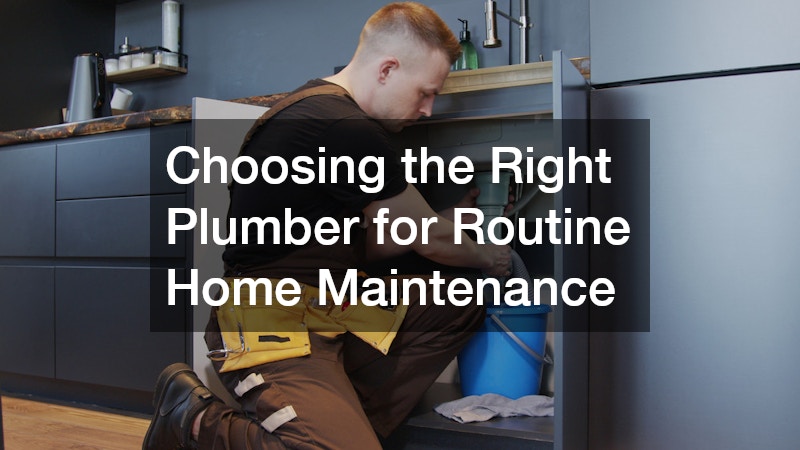
Every home needs regular maintenance to remain safe, comfortable, and efficient. From leaking faucets and clogged drains to electrical problems and unreliable cooling systems, household issues can develop unexpectedly. While some minor repairs can be handled with basic tools, more complicated problems require professional expertise to prevent costly damage and safety risks.
Knowing when to attempt a simple repair and when to hire a professional can save homeowners time, money, and stress. Working with experienced technicians for plumbing, electrical, and cooling issues also helps maintain the long-term value of your property.
Whether you need a local handyman service for general repairs or specialized assistance for major household problems, regular maintenance is essential. This guide explains common home maintenance concerns, preventive measures, and situations where professional help is the safest and most practical solution.
Take Care of Minor Home Repairs Early
Small household problems can quickly become expensive if ignored. Loose cabinet handles, damaged drywall, sticking doors, cracked caulking, and broken fixtures may seem insignificant, but they can affect your home’s appearance, safety, and functionality.
Start by inspecting frequently used areas, including kitchens, bathrooms, bedrooms, hallways, and entryways. Look for damaged seals, loose handrails, worn weatherstripping, and signs of moisture around windows or plumbing fixtures.
A reliable local handyman service can help homeowners address several minor repairs during a single visit. Professional assistance may include fixing doors, repairing drywall, installing shelves, replacing hardware, and completing general maintenance tasks.
To prevent small issues from becoming larger problems:
- Inspect your home every few months.
- Repair loose handles, hinges, and fixtures promptly.
- Replace damaged caulking around appropriate areas.
- Check windows and doors for drafts or damaged seals.
- Investigate recurring stains, cracks, and moisture problems.
Remember that general maintenance does not replace specialized work. Electrical wiring, major plumbing repairs, and structural modifications should be handled by appropriately qualified professionals.
Maintain Your Air Conditioning System
A properly functioning cooling system helps maintain comfortable indoor temperatures, particularly during hot weather. However, restricted airflow, dirty filters, drainage problems, and worn components can reduce performance and increase energy consumption.
Before contacting a technician, check that your thermostat is set correctly, replace a dirty filter according to the manufacturer’s recommendations, and make sure furniture is not blocking air vents. Keep leaves and debris away from the outdoor unit without disturbing its electrical components.
If the system continues blowing warm air, produces unusual noises, develops ice, or shuts down repeatedly, professional ac service may be necessary. Qualified technicians can diagnose refrigerant issues, mechanical failures, electrical problems, and other faults that basic maintenance cannot resolve.
Regular ac service can also help identify developing problems before they cause a complete breakdown. Scheduling preventive inspections before periods of heavy use may improve reliability and help homeowners make informed repair or replacement decisions.
Never attempt to open a sealed refrigerant system or repair internal electrical components without appropriate qualifications. If cooling performance continues to decline, ask a professional to assess the system’s condition, efficiency, and suitability for your home.
Fix Plumbing Leaks Before They Cause Damage
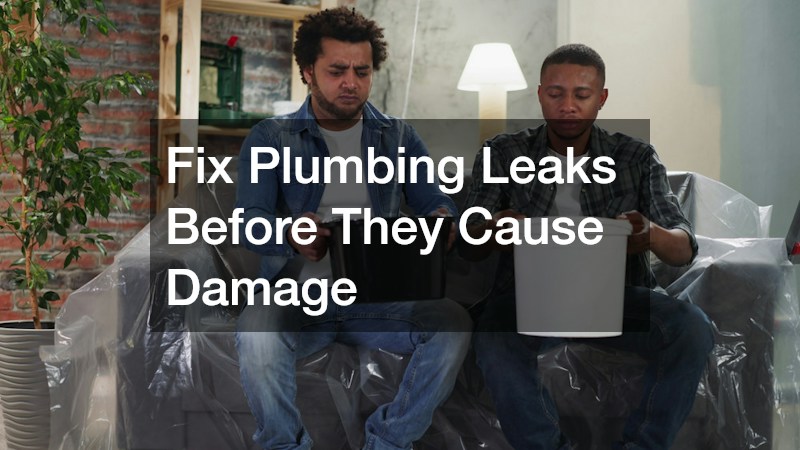
Plumbing leaks can occur beneath sinks, around toilets, near washing machines, or inside walls. Even a small leak can damage cabinets, flooring, insulation, and other building materials when left untreated. Persistent moisture may also encourage mold growth and create unpleasant odors.
Inspect accessible plumbing connections regularly. Look for corrosion, damp surfaces, peeling paint, mineral deposits, and unexplained increases in water bills. Pay attention to toilets that continue running and faucets that drip after being turned off.
A local plumber can investigate hidden leaks, low water pressure, damaged pipes, and recurring plumbing problems. Professional diagnosis is particularly important when moisture appears behind walls or beneath floors.
If a leak is actively spreading, turn off the nearest accessible water valve or the main supply if it is safe to do so. Avoid flooded areas where electrical equipment or wiring may present a hazard.
After the leak is repaired, ensure that affected materials are properly dried and inspect the area for continuing moisture. Simply wiping away visible water will not resolve damage inside walls or under flooring.
Prompt attention to plumbing problems can reduce repair expenses, prevent property damage, and help protect your home’s structure.
Recognize Electrical Problems and Safety Risks
Electrical systems require careful attention because minor warning signs can indicate serious underlying faults. Flickering lights, repeatedly tripping breakers, buzzing outlets, warm switch plates, and burning odors should never be ignored.
Local electrical contractors can inspect electrical panels, outlets, wiring, lighting, and circuit protection to determine whether repairs or upgrades are needed. Professional assessments are especially valuable before renovations or the installation of major appliances.
Homeowners can reduce electrical risks by avoiding overloaded power strips, replacing damaged cords, keeping electrical equipment away from water, and using appliances according to manufacturer instructions.
When a breaker trips repeatedly, avoid continually resetting it without identifying the cause. The problem may involve an overloaded circuit, damaged wiring, or another electrical fault.
Professional local electrical repair may be necessary when outlets stop working, switches malfunction, lights flicker persistently, or electrical components show visible damage. Do not remove electrical panel covers, handle exposed wires, or attempt repairs unless appropriately qualified.
If you notice smoke, sparks, or a strong burning smell, move away from the hazard and seek urgent assistance. Contact emergency services if there is a fire or immediate danger.
Keep Drains Clear and Prevent Blockages
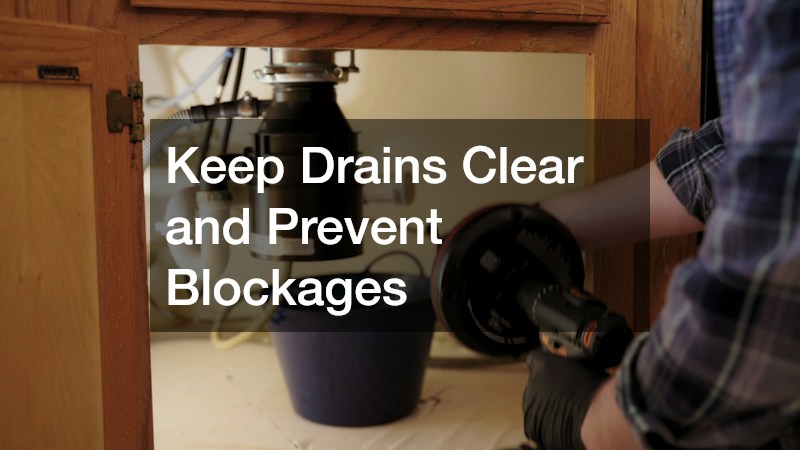
Slow drains can interfere with everyday household activities. Kitchen sinks may become blocked by grease and food scraps, while bathroom drains often collect hair, soap residue, and other debris.
Prevention is usually easier than dealing with a serious blockage. Install suitable drain strainers, dispose of cooking grease in the trash, and remove visible debris from accessible drain covers. A properly sized plunger may help with some minor clogs.
When blockages persist or repeatedly return, a professional drain cleaning service can investigate the cause. Specialized equipment may be required to remove buildup, clear obstructions, or identify damage inside drainage pipes.
Avoid repeatedly pouring chemical cleaners into blocked drains. These products can cause burns, damage some plumbing materials, and create dangerous reactions when mixed with other cleaning products. Tell your plumber if chemicals have already been used.
Several slow drains, gurgling sounds, persistent odors, or wastewater backing up into fixtures may indicate a larger drainage problem.
If sewage enters your home, stop using affected fixtures, keep children and pets away, and avoid direct contact with contaminated water. Arrange professional assistance promptly to limit health risks and property damage.
Know When to Call Emergency Plumbers
Some plumbing problems require immediate attention because water can spread quickly through floors, walls, ceilings, and electrical areas. Burst pipes, severe leaks, overflowing fixtures, and sewage backups can cause substantial damage in a short time.
Emergency plumbers can help address urgent plumbing failures, major leaks, and serious blockages that cannot wait for routine maintenance.
If a pipe bursts, turn off the main water supply if the valve is accessible and safe to operate. Keep household members away from flooded areas, particularly where electrical equipment or wiring may be affected. Move valuables only if the area is safe to enter.
When contacting a professional, explain where the problem is located, whether water is still flowing, and whether sewage or contamination is involved. Photographs of visible damage can also help document the incident for insurance purposes.
After the immediate emergency has been resolved, ask whether further inspections are necessary. Repeated pipe failures may indicate corrosion, excessive water pressure, freezing conditions, or deteriorating materials.
Homeowners should locate their main water shutoff valve before an emergency occurs and ensure that other household members know how to use it. Keeping trusted service providers’ contact information accessible can also help reduce delays when urgent repairs are needed.
Schedule Professional Plumbing Services
Household plumbing includes faucets, toilets, supply pipes, valves, drainage connections, and water pressure controls. When these components malfunction, homeowners may experience dripping taps, inconsistent water flow, recurring leaks, or unusually high utility bills.
Professional plumbing services can help diagnose recurring problems, repair faulty fixtures, assess pipe conditions, and investigate water pressure changes.
Homeowners can support a reliable plumbing system by checking accessible connections, monitoring water bills, and addressing dripping faucets promptly. Toilets that refill continuously should also be inspected because faulty internal components can waste significant amounts of water over time.
Sudden pressure changes affecting multiple fixtures may indicate a broader supply problem or a leak. Conversely, unusually high pressure can place unnecessary stress on pipes, valves, and appliances.
A qualified plumber can identify the cause and recommend appropriate repairs. Avoid dismantling unfamiliar valves or tightening connections excessively, as incorrect handling can damage fittings and create additional leaks.
Routine inspections and timely plumbing services can improve water efficiency, reduce unexpected breakdowns, and help prevent expensive repairs.
Inspect Your Water Heater Regularly
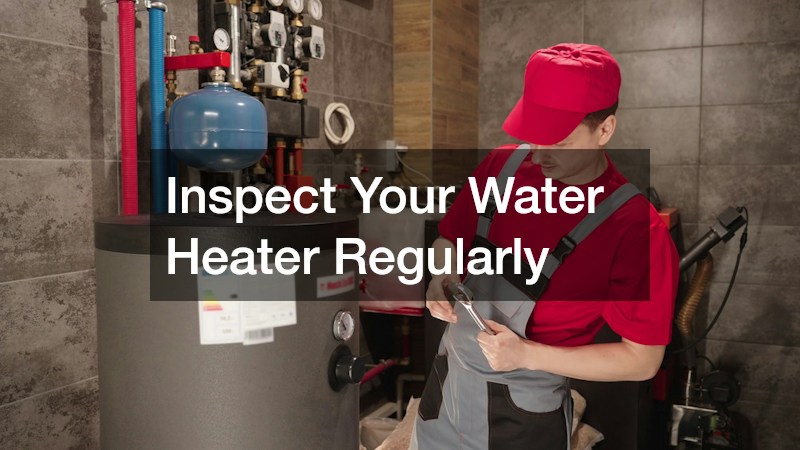
Water heaters provide hot water for bathing, laundry, dishwashing, and other essential household activities. Warning signs of a developing problem include inconsistent temperatures, insufficient hot water, unusual noises, visible corrosion, and moisture around the unit.
The cause may involve sediment buildup, a faulty component, changing household demand, or equipment deterioration. Professional assessment can help determine whether repair or replacement is the better option for you.
Water heater installs may be appropriate when an existing unit develops a serious tank leak, requires frequent repairs, no longer meets household demand, or approaches the end of its expected service life.
When considering a replacement, compare energy efficiency, capacity, fuel type, installation expenses, warranty conditions, and the requirements of your property. Gas and electric models have different installation and safety needs, so the work should be completed by appropriately qualified professionals.
Never disable safety valves or ignore suspected combustion problems. If you smell gas, leave the building without operating electrical switches and contact the appropriate emergency service from a safe location.
Follow the manufacturer’s maintenance recommendations and keep records of installation dates, repairs, and inspections. These records can help you evaluate the equipment’s condition and make informed replacement decisions.
Improve Cooling Efficiency With Regular Maintenance
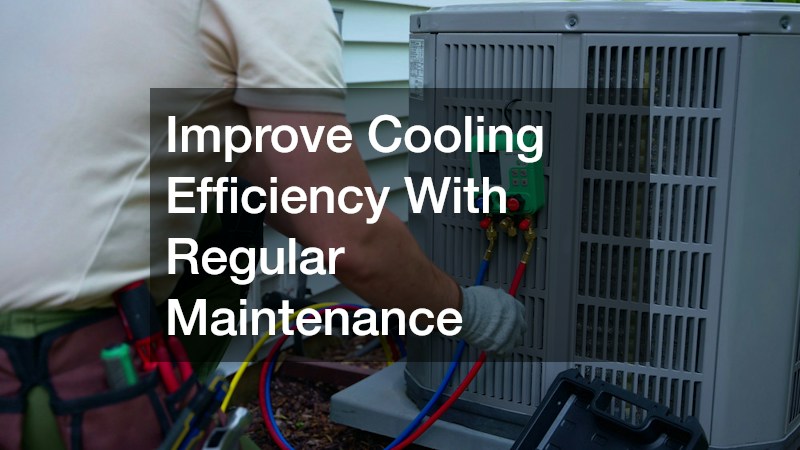
In addition to addressing breakdowns, homeowners should maintain cooling equipment throughout the year. Dirty filters, obstructed vents, blocked condensate drains, and debris around outdoor units can interfere with performance and increase energy consumption.
Professional air conditioning services may include equipment inspections, performance testing, cleaning, drainage checks, and troubleshooting. Qualified technicians can identify issues affecting airflow, refrigerant circulation, electrical operation, and cooling capacity.
Between professional visits, homeowners should replace filters according to manufacturer guidance, keep vents unobstructed, and remove loose debris around outdoor equipment. Monitoring utility bills can also help identify unexplained changes in system performance.
Water around an indoor unit, ice formation, persistent warm air, and repeated shutdowns require further investigation. These symptoms may indicate problems that cannot be solved by changing a filter alone.
Air conditioning services can also help homeowners assess aging equipment and compare repair costs with replacement expenses. When evaluating a new system, consider efficiency, equipment sizing, installation quality, warranty coverage, and household cooling requirements.
Preventive maintenance supports comfortable indoor temperatures and can help reduce the likelihood of unexpected failures during periods of high demand.
Effective home maintenance starts with recognizing warning signs and addressing problems before they become expensive or dangerous. From minor household repairs to plumbing emergencies, electrical faults, and cooling issues, timely action helps protect your property and maintain everyday comfort.
A dependable local handyman service can assist with general repairs, while specialized professionals can address complex plumbing, electrical, and air conditioning problems. Regular inspections, responsible equipment use, and preventive maintenance can reduce avoidable damage and improve household efficiency.
Most importantly, homeowners should recognize when professional expertise is necessary. Water leaks, sewage backups, electrical hazards, and failing equipment can present serious risks when handled incorrectly.
By combining routine maintenance with qualified professional support, homeowners can protect their investment, manage repair costs, and maintain a safer, more comfortable living environment throughout the year. Regular inspections and timely repairs help identify potential problems before they develop into major issues that require expensive replacements or extensive restoration work. Addressing minor plumbing leaks, electrical faults, cooling system concerns, and everyday household repairs early can also improve energy efficiency, reduce water waste, and extend the lifespan of essential home systems and appliances.