
A plumbing problem does not always mean part of your system needs to be replaced. A dripping fixture, isolated leak, or malfunctioning valve may only require a straightforward repair. On the other hand, recurring leaks, deteriorating pipes, poor performance, and aging equipment can signal that continuing to make small repairs is no longer the most practical choice.
Knowing the difference matters because plumbing decisions can affect more than convenience. A failing component can damage flooring, walls, cabinets, insulation, and personal belongings. Some problems can also increase water or energy consumption or create safety concerns. Replacing everything at the first sign of trouble can be unnecessarily expensive, but repeatedly repairing a system near the end of its useful life can also cost more over time.
The best approach is to consider the entire picture: the age and condition of the system, how frequently problems occur, the cost of previous repairs, and the consequences of another failure. The following steps can help you decide when a repair is reasonable and when an upgrade deserves serious consideration.
Start With the Age and Condition of Your System
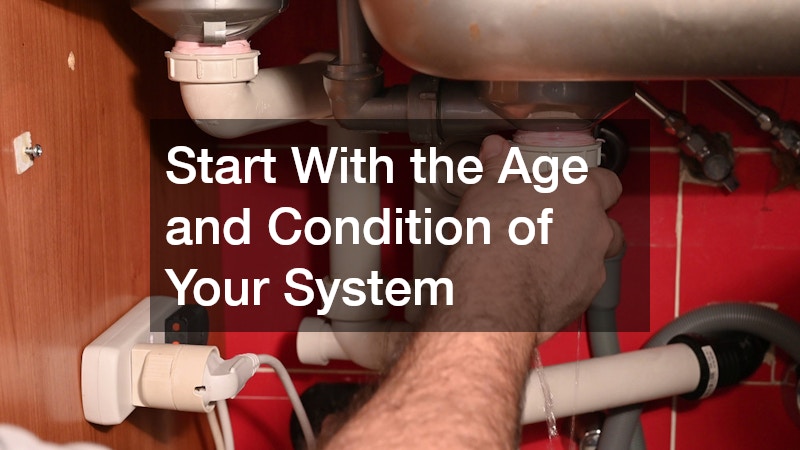
Before deciding what to repair, learn as much as possible about what is already installed in your home. Plumbing systems contain many components with different expected lifespans, so the age of one fixture does not necessarily tell you the condition of everything else.
Start by determining the approximate age of your pipes, fixtures, valves, and major equipment. If you recently purchased the home, inspection documents, renovation records, permits, or receipts left by previous owners may provide useful information. Pipe materials are particularly important because different materials can develop different problems as they age.
Next, inspect the areas you can access. Look beneath sinks, around toilets, near exposed pipes, inside utility rooms, and around appliances that use water. Corrosion, staining, mineral deposits, damp areas, warped materials, peeling paint, and musty odors can indicate problems that deserve attention.
Keep a record of repairs as well. One small leak may be an isolated event. Several leaks occurring in different areas over a relatively short period may suggest broader deterioration.
A professional plumbing service can be useful when the condition of the system is unclear or when much of the piping is hidden. Experienced plumbers can evaluate visible components, consider the home’s repair history, and recommend additional testing when necessary.
Instead of asking only, “What needs fixing today?” ask, “What is the overall condition of this system?” That question can help prevent spending money on repeated repairs when a larger problem is developing.
Investigate Drops in Water Pressure Before Replacing Fixtures
Low water pressure is frustrating, but replacing a showerhead or faucet before finding the cause can waste money. The first step is determining whether the problem affects a single fixture, several fixtures, or the entire house.
If only one faucet has weak flow, check the aerator for mineral buildup or debris. A clogged showerhead can cause a similarly localized problem. When multiple fixtures have suddenly lost pressure, however, the cause may be somewhere deeper in the system.
Pay attention to when the problem occurs. Pressure that drops only when several fixtures operate simultaneously may indicate a capacity or supply issue. A sudden, unexplained decline can point toward a leak, damaged valve, or supply-line problem. Unusually wet soil, unexplained increases in water use, or water collecting where the ground is normally dry can also justify investigating the main supply.
When damage is identified, water line repair may be sufficient if the affected area is isolated and the rest of the line is in good condition. Extensive corrosion, repeated failures, or widespread deterioration may change that calculation.
Some damaged piping may also be evaluated for pipe lining, depending on the pipe’s material, condition, location, and type of damage. Rehabilitation techniques are not appropriate for every situation, so homeowners should compare the expected lifespan, cost, disruption, and warranty of available options before deciding.
Most importantly, diagnose the cause before purchasing replacement fixtures. Restoring pressure requires correcting the underlying restriction, leak, or supply problem rather than treating the symptom.
Address Basement Water Problems Before the Next Storm
A basement drainage system is easiest to appreciate when heavy rain arrives—and that is also the worst time to discover that an important component is not working.
Homeowners with a sump system should periodically inspect the basin and surrounding area. Make sure the pump is upright, the float can move freely, and nothing is obstructing the intake. Check that the discharge piping appears secure and directs water away from the foundation rather than allowing it to immediately return.
Testing is also important. Follow the manufacturer’s instructions for safely confirming that the pump activates and removes water properly. Listen for grinding, rattling, or other unusual noises. A pump that runs constantly, cycles excessively, struggles to remove water, or fails to activate should be investigated.
Scheduling sump pump service before a season of heavy rainfall gives you time to address problems without an active flooding emergency. Age should also influence the decision. A relatively new unit with a replaceable failed component may be worth repairing, while an older unit with repeated performance problems may warrant replacement.
Homes with a history of basement water intrusion should consider what happens during a power outage. Heavy storms can cause both water problems and electrical outages at the same time. Depending on the property’s risk, a backup system or secondary pump may provide additional protection.
The cost of maintaining this equipment should be considered against the potential expense of damaged flooring, drywall, furniture, stored belongings, and mold remediation after a flood.
Treat Suspected Gas-Line Problems as a Safety Priority
Some household projects can wait while you compare repair options. A suspected problem involving fuel piping is different. If you smell gas or otherwise suspect an active leak, avoid attempting to locate or repair the source yourself. Leave the affected area and follow instructions from your gas utility or local emergency authorities.
Even when there is no active emergency, damaged, corroded, or improperly installed piping should be taken seriously. Problems can sometimes become apparent when appliances are replaced, renovations expose older piping, or a homeowner notices visible deterioration.
Professional gas line repair may be appropriate when damage is limited to a specific section and the remainder of the system is confirmed to be in acceptable condition. More extensive replacement may be recommended when there are multiple questionable areas, significant deterioration, improper materials, or changes needed to safely accommodate new appliances.
Renovations are also a good opportunity to have existing lines evaluated. Adding or changing fuel-burning equipment can alter system requirements, and assuming existing piping is suitable without verification can create problems.
This is one area where cost should never be the only consideration. Proper materials, installation methods, testing, permits, and applicable codes all matter. Work involving fuel piping should be handled by appropriately qualified professionals according to local requirements.
Evaluate Your Water Heater Before It Fails Completely

Hot-water equipment often gives warning signs before it stops working entirely. Paying attention to those signs can give you time to compare options instead of making a rushed purchase during an emergency.
Start with performance. Is hot water running out sooner than it used to? Does the temperature fluctuate? Are there popping or rumbling sounds during operation? Have you noticed moisture around the unit or changes in the appearance of the hot water? These symptoms can have different causes, but they all justify closer evaluation.
Age is another important factor. A water heater that develops a replaceable component problem relatively early in its service life may be a good repair candidate. An older unit that has already needed several repairs requires a different calculation. Before approving another significant repair, compare its cost with the expected remaining life of the equipment.
If replacement makes more sense, avoid simply purchasing a unit that appears similar to the old one. Household needs may have changed. Consider how many people live in the home, when hot water is typically used, available energy sources, space constraints, efficiency, and operating costs.
Proper water heater installation is just as important as equipment selection. Connections, venting where applicable, drainage provisions, safety components, and local requirements can affect both performance and safety.
Planning ahead also gives homeowners more time to evaluate different equipment types and efficiency levels. Waiting for complete failure can turn a considered home improvement into an urgent decision made with limited options.
Fix Recurring Clogs Instead of Repeatedly Treating Symptoms
An occasional slow sink is different from a drain that clogs every few weeks. When a problem keeps returning, temporary fixes can hide a deeper issue without resolving it.
Start by tracking where problems occur. A single slow bathroom sink may have buildup close to the fixture. Multiple slow fixtures, toilets that behave unusually, gurgling sounds, recurring odors, or backups affecting several areas can indicate a problem farther down the drainage system.
Household habits matter too. Grease, food waste, hair, soap residue, and inappropriate items flushed down toilets can contribute to blockages. Preventive habits such as using drain screens and keeping grease out of kitchen drains can reduce avoidable buildup.
When problems persist despite good habits, professional drain cleaning may be appropriate. Depending on the symptoms, a contractor may also recommend further inspection to identify buildup, damaged piping, root intrusion, or another obstruction.
Be cautious about repeatedly relying on aggressive chemical products. They may not address the actual cause of a recurring blockage, and some products can present handling concerns or be unsuitable for certain plumbing conditions.
The key is frequency. If you repeatedly spend time and money restoring flow to the same drain, stop treating each occurrence as an unrelated clog. Finding the underlying cause can help determine whether cleaning, repair, or a more substantial improvement offers better long-term value.
Compare Repeated Pipe Repairs With Long-Term Replacement
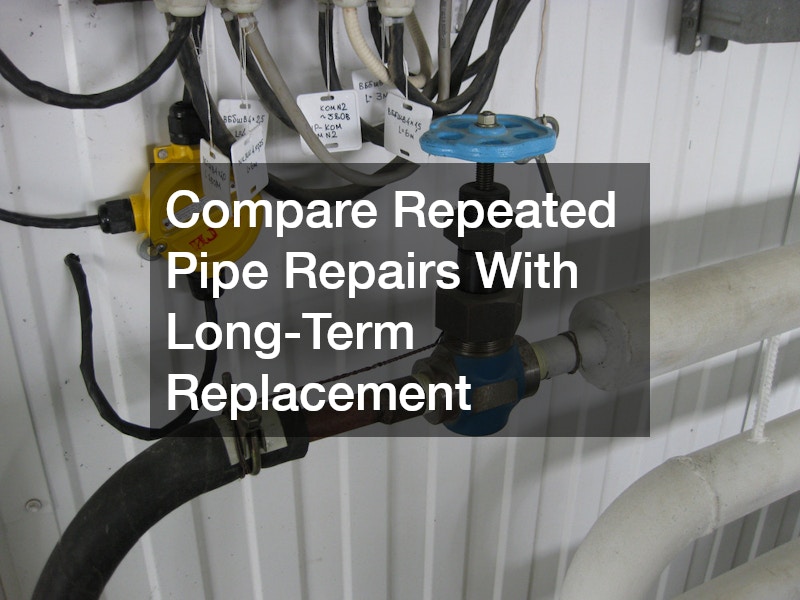
Repeated leaks are one of the clearest reasons to evaluate the plumbing system as a whole rather than treating every failure independently.
Keep a simple record of leaks and repairs, including the location, date, cause if known, and amount spent. If one fitting fails because of an isolated defect, replacing it may solve the problem. If pipes in several areas begin leaking or showing corrosion, the pattern can suggest that more of the system is approaching the end of its reliable service life.
Look for other signs as well. Discolored water, visible corrosion, inconsistent pressure, recurring leaks, and staining around concealed plumbing areas can all provide clues. No single symptom automatically means the entire system requires replacement, but several occurring together deserve attention.
Repiping can involve a significant upfront cost and may require access through walls or ceilings. For that reason, homeowners should request a clear explanation of which portions need replacement, why the existing material is failing, what replacement material is proposed, and how the work will affect finished surfaces.
Then compare that cost with the alternative. Add up recent repair bills and consider the likely consequences of another hidden leak. Water damage can turn a relatively inexpensive pipe failure into a much larger restoration project.
Timing can also reduce disruption. If you are already planning a kitchen, bathroom, or whole-home renovation, coordinating pipe replacement with other work may make access easier and reduce the need to open finished surfaces twice.
The goal is not to replace aging components simply because they are old. It is to recognize when the combination of age, condition, repair frequency, and failure risk makes continued patchwork less practical than a planned upgrade.
Plan Ahead for a More Reliable Home
The best plumbing decisions are usually made before a small problem becomes an emergency. Paying attention to age, condition, performance, and repair history gives you a much clearer picture of whether an isolated fix is appropriate or a larger upgrade should be considered.
Do not assume that every older component must be replaced, and do not assume that another inexpensive repair is automatically the most economical option. Look for patterns. A single failure may be isolated, while recurring leaks, declining performance, corrosion, and increasing repair costs can indicate that the system is becoming less reliable.
Regular inspections and basic maintenance can also give you more control over timing. Discovering deterioration early allows you to gather estimates, understand your options, plan around other renovations, and budget for improvements instead of making a rushed decision after water damage occurs.
When you are unsure, focus on five factors: safety, likelihood of another failure, potential property damage, long-term cost, and expected reliability. Making decisions with those priorities in mind can help you invest in the parts of your home that genuinely need attention while avoiding unnecessary replacement.