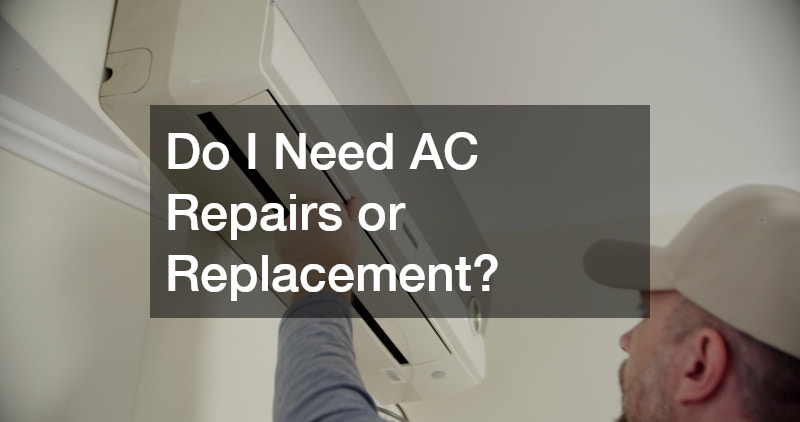
When the sweltering heat of summer rolls in, having a functional air conditioning unit is essential for maintaining comfort within your home. However, as your AC unit continues to age, you may start to face issues that can leave you questioning whether you need repairs or a complete replacement. Understanding the signs of malfunction and the implications of both options is essential for making an informed decision. In this blog post, we will explore various indicators that your AC unit may require attention and provide insights on making the right choice between repairs and replacement.
One of the first signs that your air conditioner may need attention is a decline in cooling efficiency. If you notice that certain rooms in your house are warmer than others or that your AC is struggling to maintain the set temperature, it could be time to assess the unit.
A significant drop in performance can result from dirty filters, duct leaks, or failing components. In many cases, a professional technician can diagnose and repair these smaller issues relatively easily. However, if the unit is older and AC repairs are becoming increasingly frequent, it may signal that a replacement is more cost-effective in the long run.
Another crucial factor to consider is the age of your air conditioning unit. Most air conditioners have a lifespan of about 10 to 15 years, depending on factors such as usage, maintenance, and the initial quality of the unit. As your system ages, it may begin to experience a series of breakdowns. Investing in repairs for an older unit can become a financial drain as parts become harder to find and costly to replace. If your air conditioner is nearing or has surpassed its expected lifespan, you might want to contemplate whether it makes more sense to invest in a modern, energy-efficient model rather than sink additional money into repairs on an aging system.
Additionally, increasing energy bills can be a significant indicator of an ailing air conditioning system. If you’ve noticed that your utility costs have risen sharply without a corresponding change in usage, your AC might be struggling to operate efficiently. Older models and systems that are in disrepair often consume more energy due to inefficiencies. In such cases, investing in a new unit could provide substantial savings on your monthly electricity bills, not to mention the environmental benefits of a more efficient system. By switching to a newer model, you enjoy immediate savings while enhancing your home’s comfort levels.
It’s also essential to consider any unusual noises or odors that may be coming from your air conditioning unit. If your air conditioner emits strange sounds like grinding, squealing, or banging, these could be indicative of severe internal issues. Likewise, foul odors can signify mold growth within the system or burnt components. Should you encounter any of these alarming signs, it’s advisable to consult with a professional immediately. These issues may be repairable, but if they are severe, they could warrant a complete replacement of the unit. Paying attention to these auditory and olfactory indicators can help you avoid more extensive damage and costly repairs.
Finally, if you find yourself constantly scheduling repairs and the costs are escalating, it might be a good time to reassess your options. The general rule of thumb is that if the cost of repairs exceeds 50% of the value of a replacement, investing in a new air conditioning system could be the more prudent choice. Frequent repairs can not only strain your wallet but can also cause frustration and discomfort. The peace of mind that comes from a reliable, functioning air conditioner is worth the investment. Moreover, modern air conditioning units come equipped with advanced features and better energy efficiency ratings that can enhance comfort and lower long-term operational costs.
In conclusion, determining whether your AC requires repairs or a replacement is crucial for maintaining comfort and efficiency in your home. By monitoring the performance of your air conditioning unit, keeping an eye on its age, watching your energy costs, and acknowledging strange noises or smells, you can make an informed decision. Always weigh the costs of repairs against the price of a replacement unit, as investing in a new system may ultimately save you money and enhance your quality of life. If you’re still unsure about your AC’s condition, it’s best to consult with a professional technician who can provide a thorough evaluation and help you choose the best path forward. Remember, a well-cared-for air conditioning system not only ensures comfort but also protects your investment in your home.