
Becoming a homeowner is one of the most exciting milestones in a person’s life. It is a significant step that represents stability and accomplishment. This new chapter opens up a world of possibilities, from choosing paint colors and decor to imagining the life you will build within these walls. After the exhilarating process of closing on your home, officially receiving the keys, and the joyous moments of settling into your new space, another important question inevitably arises: what should you upgrade first? It doesn’t matter if your home is brand new or has seen a bit of history; there are always plenty of opportunities to enhance its comfort, safety, efficiency, and, importantly, its long-term value.
For many new homeowners, this stage may seem overwhelming. The multitude of potential upgrades available can quickly create a sense of inundation. Whether your interests lie in cosmetic changes that personalize your home or more substantial structural improvements that enhance functionality, it can be challenging to identify where to focus your efforts and budget initially. Each upgrade varies in its benefits; some offer immediate lifestyle enhancements, while others are geared towards long-term investment returns that might not be immediately evident. The secret lies in finding the right balance between addressing your current practical needs and planning for the future.
This guide serves as your comprehensive walkthrough for the most crucial upgrades to consider as you embark on your journey as a new homeowner. By concentrating on strategic improvements, you can significantly enhance your living environment. These improvements not only cater to personal enjoyment but also function as a proactive approach to avoid costly issues in the future. Moreover, they serve as a foundational element in building lasting value over time, potentially increasing your home’s worth and appeal. Whether you’re focused on energy efficiency, enhanced security, or expanding your living space, making informed decisions on upgrades will ensure your home grows with you and your needs.
Start by Reviewing Your Budget and Financial Priorities
Before jumping into any upgrades, it’s essential to get a clear picture of your financial situation. Many homeowners underestimate the true cost of owning a home, focusing primarily on their home mortgage while overlooking other ongoing expenses.
In reality, your monthly and annual costs may include:
- Property taxes
- Homeowners insurance
- Utilities (electric, gas, water, internet)
- Routine maintenance and unexpected repairs
- HOA fees, if applicable
If you’re part of a homeowners association, working with hoa accounting services can help you better understand how fees are allocated and what future costs might look like. This can be especially useful when planning upgrades that may require HOA approval or budgeting around shared community expenses.
To build a solid upgrade plan:
- Start with a list of must-have improvements vs nice-to-have upgrades
- Set a total budget for the year rather than tackling everything at once
- Allocate 10–20% of your budget for unexpected repairs
- Prioritize projects that improve safety or prevent future damage
It’s also wise to consider how upgrades will impact your financial stability. Avoid overextending yourself early in homeownership. Instead, focus on manageable, high-impact improvements that won’t strain your budget.
A well-thought-out financial plan ensures that your upgrades enhance your home without creating unnecessary stress.
Focus on Essential Safety and Power Upgrades First
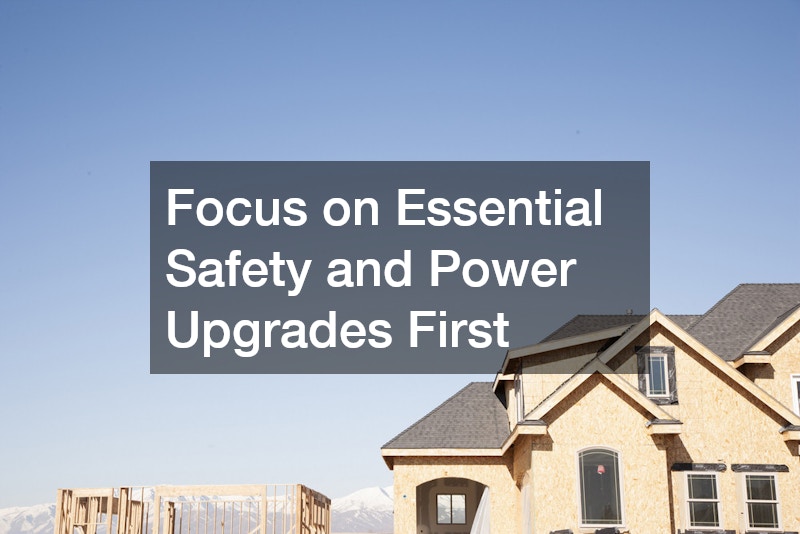
When it comes to improving your home, safety should always come before aesthetics. While it may be tempting to jump into design upgrades, ensuring your home is secure and resilient is far more important.
One of the most valuable investments you can make early on is a whole home generator. Power outages can happen unexpectedly due to storms, grid issues, or maintenance work. Without backup power, you risk:
- Food spoilage
- Loss of heating or cooling
- Disruption of daily routines
- Potential safety hazards
A generator provides peace of mind by keeping essential systems running during outages. This is particularly important if you live in an area prone to severe weather.
In addition to backup power, prioritize key home improvement safety upgrades:
- Install or update smoke and carbon monoxide detectors
- Check electrical panels for outdated wiring
- Upgrade door locks and security systems
- Add exterior lighting for visibility and safety
You may also want to:
- Inspect your roof for potential leaks
- Ensure proper drainage around your home
- Check for foundation cracks
These upgrades might not be the most visually exciting, but they form the foundation of a safe and reliable home. Addressing them early prevents bigger issues down the line.
Upgrade High-Impact Living Spaces for Immediate Comfort
Once safety concerns are addressed, you can shift your focus to upgrades that improve your daily living experience. Kitchens, bathrooms, and main living areas are typically the most impactful spaces to enhance.
Home remodeling and renovations in these areas can transform how your home feels and functions. Even modest updates can make a big difference.
Consider improvements such as:
- Updating kitchen appliances for better efficiency
- Replacing outdated countertops or cabinets
- Installing modern lighting fixtures
- Upgrading bathroom vanities and showers
If your home lacks space or functionality, a home addition service may be worth considering. Expanding your home can provide:
- Additional bedrooms for a growing family
- A dedicated home office
- A larger kitchen or living area
When planning these upgrades:
- Focus on functionality first, then aesthetics
- Choose materials that are durable and easy to maintain
- Avoid overly trendy designs that may not age well
Balancing comfort and practicality ensures that your upgrades enhance your everyday life while maintaining long-term value.
Transform Your Basement into Functional Living Space
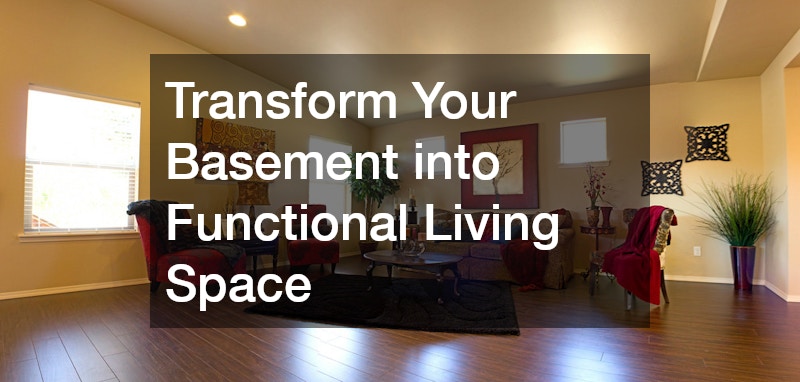
Basements often go unused, yet they offer one of the best opportunities to increase your home’s usable square footage.
Working with a basement remodeler allows you to turn an underutilized space into something highly functional. Depending on your needs, your basement can become:
- A guest suite for visitors
- A home office or remote work space
- An entertainment or media room
- A fitness or hobby area
A professional basement remodeling company ensures that the project is done correctly, especially when it comes to moisture control and structural integrity.
Key considerations include:
- Waterproofing to prevent leaks and mold
- Proper insulation for temperature control
- Adequate lighting to make the space inviting
- Safe and accessible entry points
Finishing your basement not only improves your living space but also significantly increases your home’s value. It’s one of the most cost-effective ways to expand your home without building an addition.
Improve Outdoor Privacy, Security, and Curb Appeal
Your home’s exterior is just as important as the interior. Outdoor upgrades can improve both your quality of life and your property’s overall appearance.
Installing a fence is one of the most effective ways to enhance privacy and security. A professional fence company can help you choose the right style and material based on your needs.
Common fencing options include:
- Wood for a classic look
- Vinyl for low maintenance
- Metal for durability and security
Adding gates provides controlled access to your property, making it safer for children and pets while also enhancing convenience.
Additional outdoor upgrades to consider:
- Landscaping to improve curb appeal
- Outdoor lighting for safety and aesthetics
- Patios or decks for entertaining
These improvements not only make your home more enjoyable but also create a strong first impression for visitors and potential buyers.
Plan Long-Term Structural and Space Expansions
As your lifestyle evolves, your home may need to adapt. Planning ahead for future expansions can save time and money down the road.
A home addition service can help you explore options such as:
- Adding extra bedrooms
- Expanding living areas
- Building garages or storage spaces
Incorporating these plans into your overall home improvement strategy ensures consistency in design and functionality.
When planning additions:
- Check local zoning regulations
- Obtain necessary permits
- Ensure the addition blends with your existing structure
Thinking long-term allows you to make smarter decisions that align with your future needs.
Increase Energy Efficiency and Reduce Utility Costs
Energy efficiency is one of the most valuable upgrades you can make as a homeowner. It not only reduces your environmental impact but also lowers your monthly expenses.
Incorporating efficiency into home remodeling and renovations can include:
- Upgrading insulation
- Installing energy-efficient windows
- Replacing outdated HVAC systems
A whole home generator can also support energy reliability during outages, ensuring your systems continue to function.
Additional upgrades include:
- Smart thermostats
- LED lighting
- Energy-efficient appliances
These improvements often pay for themselves over time through reduced utility bills.
Stay Organized with Ongoing Maintenance and Costs
Owning a home requires ongoing attention and organization. Keeping track of expenses and maintenance ensures your home stays in excellent condition.
In addition to your home mortgage, you should monitor:
- Maintenance costs
- Utility bills
- HOA fees
Using hoa accounting services can simplify financial tracking and help you stay organized.
Create a maintenance schedule that includes:
- Seasonal inspections
- HVAC servicing
- Roof and gutter cleaning
Staying proactive prevents small issues from becoming major problems.
Choose the Right Professionals for Each Project
The quality of your upgrades depends heavily on the professionals you hire. Choosing experienced contractors ensures better results and fewer complications.
When selecting a basement remodeling company, look for:
- Proven experience
- Positive reviews
- Clear communication
Similarly, a reputable fence company can ensure your outdoor upgrades are both functional and visually appealing.
Always:
- Get multiple quotes
- Verify licenses and insurance
- Ask for references
Working with the right professionals ensures your projects are completed successfully.
Prioritize Upgrades That Add Long-Term Value
When considering various upgrades, especially in contexts such as home renovations, technological advancements, or business improvements, it is crucial to understand that not all upgrades yield the same financial benefits. This concept, known as Return on Investment (ROI), is a key factor in determining how effectively your money is being used. ROI measures the profitability of an investment relative to its cost, and it’s important to scrutinize which projects offer the most significant returns over time.
For instance, if you are planning to renovate your home, certain projects such as kitchen remodels or bathroom upgrades typically provide higher ROI compared to other upgrades like adding luxury landscaping. This is because kitchen and bathroom improvements not only enhance the functionality and aesthetic appeal of your property but are also highly valued by potential buyers should you decide to sell.
Adding features like gates can enhance security and curb appeal, making your home more attractive overall.
High-value upgrades include:
- Kitchen and bathroom renovations
- Finished basements
- Energy-efficient improvements
- Outdoor enhancements
When planning upgrades, consider how they will benefit you now and in the future.
As a new homeowner, the upgrades you choose will not only reflect your personal taste and style but will also greatly influence your daily living experience and overall satisfaction with your home. Each decision has the potential to significantly enhance the comfort and functionality of your space, making your home more enjoyable and user-friendly. By choosing upgrades that prioritize safety, you ensure that your living environment is secure and reliable, protecting both the people who live there and the structure itself from potential harm. Furthermore, by focusing on functionality, you make sure that your home adapts to your lifestyle and meets your needs in the most efficient way possible. Long-term value is also a crucial consideration, as thoughtful upgrades can substantially increase the resale value of your property, providing a solid return on investment should you ever decide to sell. These elements combine to create a home that doesn’t just look beautiful but also serves you and your family in practical and meaningful ways for years to come.
Taking a thoughtful, strategic approach to home improvements means carefully evaluating each potential change’s impact before proceeding. This involves considering not just the immediate benefits but also how each improvement will affect your home’s functionality and value in the long run. By doing so, you ensure that every enhancement contributes positively to creating a living space that is more comfortable, efficient, and increasing in value over time. Thoughtful planning might involve consulting with experts, researching trends, and prioritizing your specific needs, which can lead to smart, informed decisions. Such an approach results in a harmonious living environment, where all elements work together seamlessly to provide daily joy and convenience, while also securing long-term economic benefits.